Specialist occupational health for rescue readiness

Medical readiness / Operational clarity

Specialist medical assessments for mine rescue readiness.

Clear guidance, appropriate assessment pathways and efficient coordination for emergency response personnel and mining employers.

Assessment requirements vary by jurisdiction, mine type, role, employer and applicable guideline. Booking does not guarantee a medical suitability outcome.

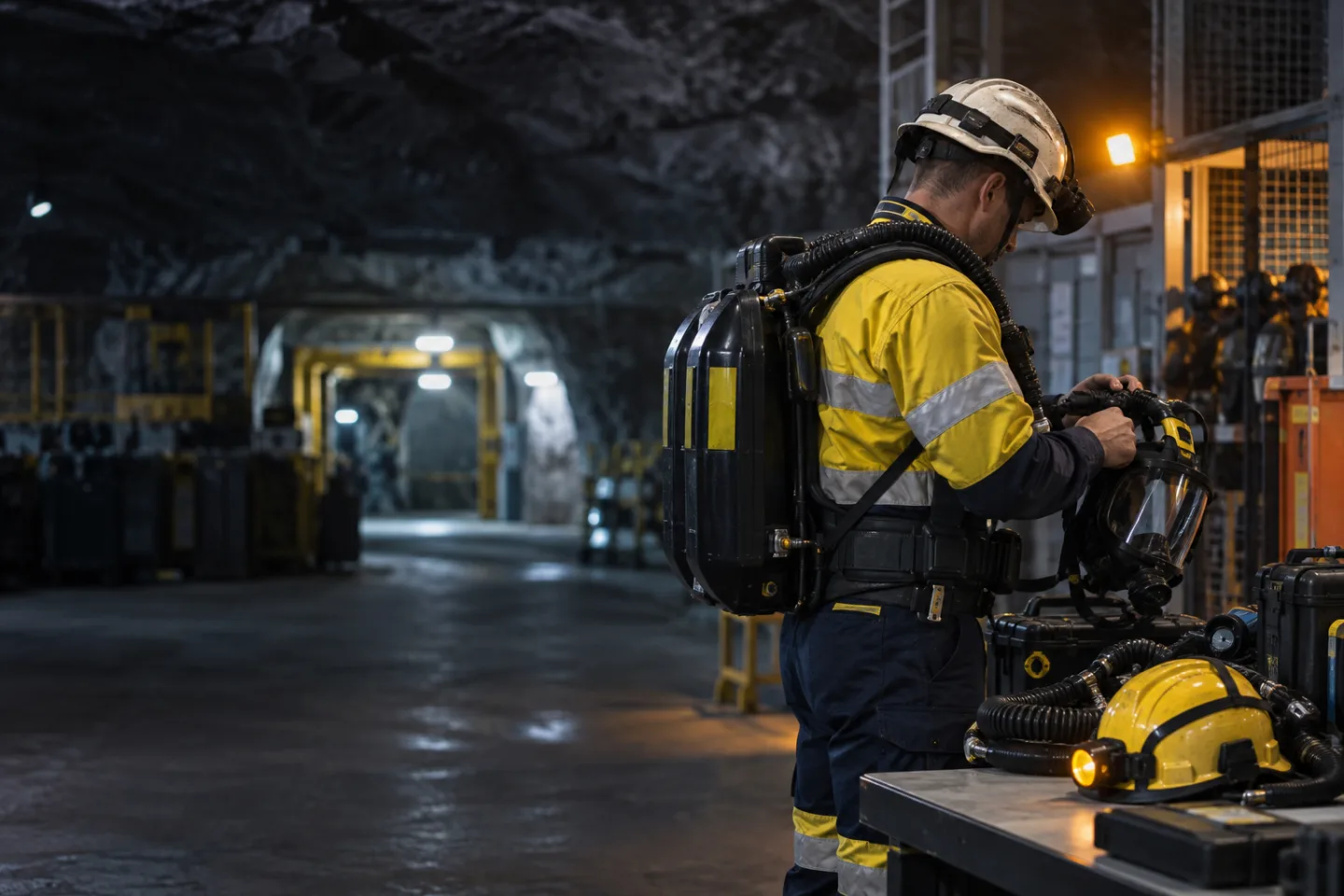
Mine rescue worker methodically checking breathing apparatus in an underground training environment
Prepared for the demands beyond the clinic
Role-specific contextRescue duties are assessed beyond a routine mining role.
Jurisdiction-awareRequirements are confirmed against the applicable pathway.
Candidate guidanceKnow what to bring and what may happen next.
Team coordinationA separate route for employers and workforce planners.

Why specialist assessment matters

Rescue work places a different demand on the person doing it.

Mine rescue personnel may need to work in breathing apparatus, heat, low visibility and constrained environments while carrying equipment or assisting others.

Understand the assessment
01 / CAPACITY

Cardiovascular demand

Applicable pathways may assess aerobic capacity because rescue tasks can require sustained physical effort.

02 / CLINICAL

Medical suitability

The assessing doctor considers health history, examination findings and role demands under the relevant guideline.

03 / EQUIPMENT

Breathing apparatus context

Respiratory and other criteria may be more stringent where self-contained breathing apparatus is used.

04 / DECISION

A defined next step

An outcome may be recorded, or further clinical information may be requested before a decision can be made.

What to expect

A clear route from referral to outcome.

The order and content vary. This overview helps candidates and coordinators prepare without assuming a universal test battery.

  1. 01

    Confirm the requirement

    Identify the jurisdiction, mine type, rescue role and referring organisation.

  2. 02

    Prepare documents

    Bring requested identification, referral forms, medication information and relevant reports.

  3. 03

    Complete the assessment

    Undertake the clinical and fitness components specified for your pathway.

  4. 04

    Receive the next step

    The provider explains reporting, any further information needed and the applicable outcome process.

For candidates

Arrive informed, not guessing.

Understand what the appointment may involve, what to bring and why requirements can differ between sites and states.

  • First-time rescue candidates
  • Existing personnel due for reassessment
  • Workers moving into ERT or rescue duties
Prepare for your assessment

For employers

Coordinate the team, without collecting clinical detail.

Share operational requirements, personnel numbers, jurisdiction and timing through a dedicated team-enquiry pathway.

  • Workforce and roster planning
  • Individual or team booking requests
  • Clear privacy boundaries
Plan team assessments

Before the appointment

Bring the information that helps the assessment move clearly.

Your booking confirmation should always take precedence over general website guidance.

View the preparation guide
+

Photo identification requested by the provider

+

Referral or employer paperwork

+

Current medication list or original packaging

+

Relevant specialist or treating-doctor reports

+

Comfortable clothing if fitness testing is confirmed

+

Glasses, hearing aids or other aids you use

Common questions

The important questions, answered carefully.

Where a requirement depends on the site or jurisdiction, we say so.

See all questions
What is a mine rescue medical?
It is a health assessment used to help determine whether a worker is medically suitable to progress to mine rescue testing, training or duties. The exact process depends on the jurisdiction, mine type, role and applicable guideline.
How is it different from a standard mining medical?
Mine rescue work can involve breathing apparatus, heat, restricted environments and sustained physical effort. For Queensland underground coal mine rescue, the government guidance describes more stringent medical criteria than a standard coal mine worker assessment and a separate fitness component under the current guideline.
Is a step test always included?
No single test should be assumed for every appointment. Queensland’s current guideline includes a VO₂ max step test, while other jurisdictions, employers or rescue organisations may use different protocols. Your referral and applicable standard determine what is required.
Will my employer receive my full medical record?
Health information is sensitive. What is reported depends on consent, law and the relevant scheme. In general, reporting should be limited to the information required for the assessment outcome rather than unrelated clinical detail. Ask the provider to explain the reporting pathway before testing.
Can an employer arrange assessments for a whole team?
Yes. Use the employer pathway to share headcount, location, jurisdiction and timeframe. Clinic-based or onsite availability must be confirmed for the actual service area.

Ready to arrange the right assessment?

Tell us whether you are booking for yourself or coordinating a team. We will use those details to confirm the appropriate next step.
Book an assessment